Technology Pillar

Texas Apartment Management Technology Guide

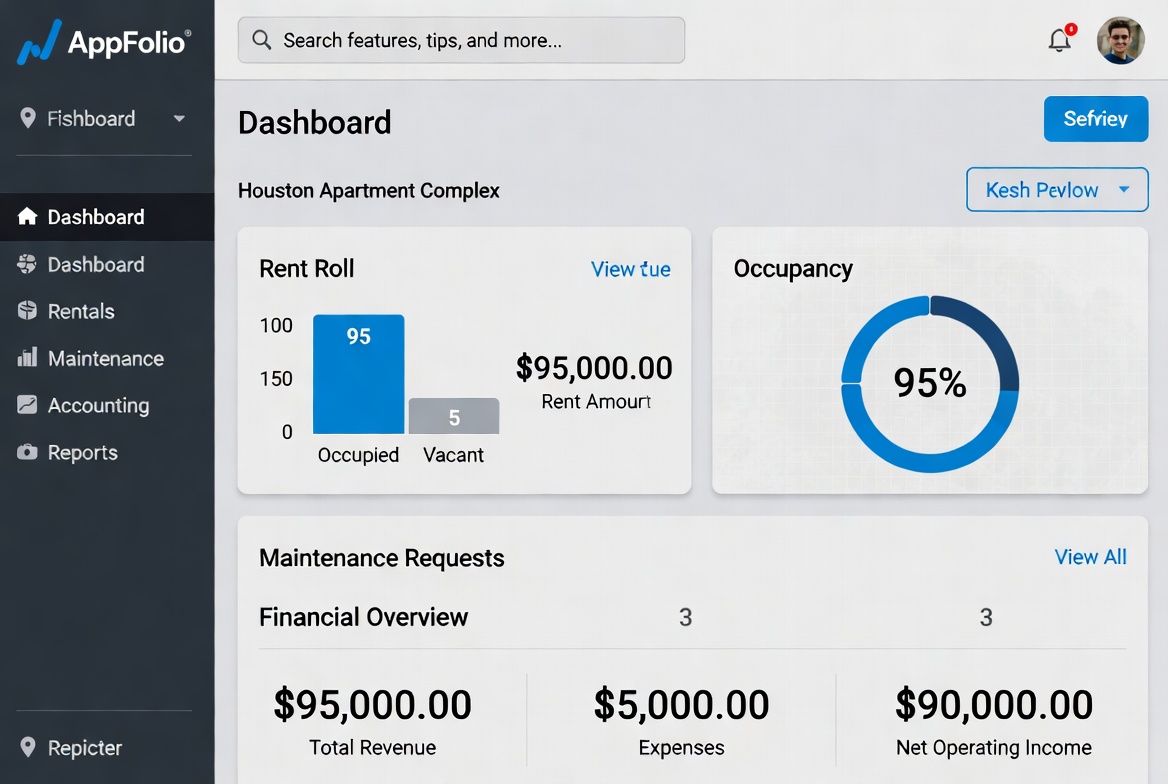
Apartment management technology guide for Texas owners covering AppFolio, owner portals, resident portals, online payments, work orders, reporting, leasing tools, and automation.

apartment management technologyAppFolio apartment managementowner portal apartmentsresident portal apartmentswork order software multifamily

Why this guide matters

Technology does not replace management judgment, but it can make communication, reporting, work orders, payments, documents, and accountability much easier for apartment owners and residents.

Texas owners often manage across multiple markets or ownership groups. A consistent technology stack helps organize reports, resident communication, maintenance history, leasing activity, and owner decision-making across properties.

Core management framework

People

Owners, residents, staff, vendors, leasing contacts, maintenance teams, and decision makers need a clear communication path.

Process

Leasing, turns, inspections, work orders, collections, renewals, budgeting, and reporting should be documented and repeatable.

Performance

Occupancy, NOI, delinquency, work orders, resident retention, maintenance cost, and budget variance should be reviewed consistently.

Complete guide

1. Why technology matters in apartment management

Owners should treat why technology matters in apartment management as a management discipline, not a one-time task. The objective is to make the work visible, repeatable, and measurable so the property does not depend on guesswork or emergency reaction.

For apartment management technology, the practical question is what the owner can see each month. If the process is working, reports, resident communication, maintenance notes, leasing activity, and financial results should tell the same story.

The best management plans define who is responsible, how quickly action is expected, what is documented, what gets escalated to ownership, and which metrics prove whether the plan is improving performance.

  • Define the owner objective before changing the process.
  • Document the workflow so staff, vendors, and residents understand expectations.
  • Measure the result with a simple monthly scorecard.
  • Use the findings to adjust pricing, staffing, maintenance, or communication.

This is also where a management company earns trust. Clear communication prevents surprises, and clear documentation helps owners make decisions without waiting until problems become expensive.

2. Owner portals and document access

Owners should treat owner portals and document access as a management discipline, not a one-time task. The objective is to make the work visible, repeatable, and measurable so the property does not depend on guesswork or emergency reaction.

For apartment management technology, the practical question is what the owner can see each month. If the process is working, reports, resident communication, maintenance notes, leasing activity, and financial results should tell the same story.

The best management plans define who is responsible, how quickly action is expected, what is documented, what gets escalated to ownership, and which metrics prove whether the plan is improving performance.

  • Define the owner objective before changing the process.
  • Document the workflow so staff, vendors, and residents understand expectations.
  • Measure the result with a simple monthly scorecard.
  • Use the findings to adjust pricing, staffing, maintenance, or communication.

This is also where a management company earns trust. Clear communication prevents surprises, and clear documentation helps owners make decisions without waiting until problems become expensive.

3. Resident portals and online payments

Owners should treat resident portals and online payments as a management discipline, not a one-time task. The objective is to make the work visible, repeatable, and measurable so the property does not depend on guesswork or emergency reaction.

For apartment management technology, the practical question is what the owner can see each month. If the process is working, reports, resident communication, maintenance notes, leasing activity, and financial results should tell the same story.

The best management plans define who is responsible, how quickly action is expected, what is documented, what gets escalated to ownership, and which metrics prove whether the plan is improving performance.

  • Define the owner objective before changing the process.
  • Document the workflow so staff, vendors, and residents understand expectations.
  • Measure the result with a simple monthly scorecard.
  • Use the findings to adjust pricing, staffing, maintenance, or communication.

This is also where a management company earns trust. Clear communication prevents surprises, and clear documentation helps owners make decisions without waiting until problems become expensive.

4. Work order intake and tracking

Owners should treat work order intake and tracking as a management discipline, not a one-time task. The objective is to make the work visible, repeatable, and measurable so the property does not depend on guesswork or emergency reaction.

For apartment management technology, the practical question is what the owner can see each month. If the process is working, reports, resident communication, maintenance notes, leasing activity, and financial results should tell the same story.

The best management plans define who is responsible, how quickly action is expected, what is documented, what gets escalated to ownership, and which metrics prove whether the plan is improving performance.

  • Define the owner objective before changing the process.
  • Document the workflow so staff, vendors, and residents understand expectations.
  • Measure the result with a simple monthly scorecard.
  • Use the findings to adjust pricing, staffing, maintenance, or communication.

This is also where a management company earns trust. Clear communication prevents surprises, and clear documentation helps owners make decisions without waiting until problems become expensive.

5. Leasing communication tools

Owners should treat leasing communication tools as a management discipline, not a one-time task. The objective is to make the work visible, repeatable, and measurable so the property does not depend on guesswork or emergency reaction.

For apartment management technology, the practical question is what the owner can see each month. If the process is working, reports, resident communication, maintenance notes, leasing activity, and financial results should tell the same story.

The best management plans define who is responsible, how quickly action is expected, what is documented, what gets escalated to ownership, and which metrics prove whether the plan is improving performance.

  • Define the owner objective before changing the process.
  • Document the workflow so staff, vendors, and residents understand expectations.
  • Measure the result with a simple monthly scorecard.
  • Use the findings to adjust pricing, staffing, maintenance, or communication.

This is also where a management company earns trust. Clear communication prevents surprises, and clear documentation helps owners make decisions without waiting until problems become expensive.

6. Financial reporting and dashboards

Owners should treat financial reporting and dashboards as a management discipline, not a one-time task. The objective is to make the work visible, repeatable, and measurable so the property does not depend on guesswork or emergency reaction.

For apartment management technology, the practical question is what the owner can see each month. If the process is working, reports, resident communication, maintenance notes, leasing activity, and financial results should tell the same story.

The best management plans define who is responsible, how quickly action is expected, what is documented, what gets escalated to ownership, and which metrics prove whether the plan is improving performance.

  • Define the owner objective before changing the process.
  • Document the workflow so staff, vendors, and residents understand expectations.
  • Measure the result with a simple monthly scorecard.
  • Use the findings to adjust pricing, staffing, maintenance, or communication.

This is also where a management company earns trust. Clear communication prevents surprises, and clear documentation helps owners make decisions without waiting until problems become expensive.

7. Inspection documentation

Owners should treat inspection documentation as a management discipline, not a one-time task. The objective is to make the work visible, repeatable, and measurable so the property does not depend on guesswork or emergency reaction.

For apartment management technology, the practical question is what the owner can see each month. If the process is working, reports, resident communication, maintenance notes, leasing activity, and financial results should tell the same story.

The best management plans define who is responsible, how quickly action is expected, what is documented, what gets escalated to ownership, and which metrics prove whether the plan is improving performance.

  • Define the owner objective before changing the process.
  • Document the workflow so staff, vendors, and residents understand expectations.
  • Measure the result with a simple monthly scorecard.
  • Use the findings to adjust pricing, staffing, maintenance, or communication.

This is also where a management company earns trust. Clear communication prevents surprises, and clear documentation helps owners make decisions without waiting until problems become expensive.

8. Automation and follow-up

Owners should treat automation and follow-up as a management discipline, not a one-time task. The objective is to make the work visible, repeatable, and measurable so the property does not depend on guesswork or emergency reaction.

For apartment management technology, the practical question is what the owner can see each month. If the process is working, reports, resident communication, maintenance notes, leasing activity, and financial results should tell the same story.

The best management plans define who is responsible, how quickly action is expected, what is documented, what gets escalated to ownership, and which metrics prove whether the plan is improving performance.

  • Define the owner objective before changing the process.
  • Document the workflow so staff, vendors, and residents understand expectations.
  • Measure the result with a simple monthly scorecard.
  • Use the findings to adjust pricing, staffing, maintenance, or communication.

This is also where a management company earns trust. Clear communication prevents surprises, and clear documentation helps owners make decisions without waiting until problems become expensive.

9. Data quality and setup problems

Owners should treat data quality and setup problems as a management discipline, not a one-time task. The objective is to make the work visible, repeatable, and measurable so the property does not depend on guesswork or emergency reaction.

For apartment management technology, the practical question is what the owner can see each month. If the process is working, reports, resident communication, maintenance notes, leasing activity, and financial results should tell the same story.

The best management plans define who is responsible, how quickly action is expected, what is documented, what gets escalated to ownership, and which metrics prove whether the plan is improving performance.

  • Define the owner objective before changing the process.
  • Document the workflow so staff, vendors, and residents understand expectations.
  • Measure the result with a simple monthly scorecard.
  • Use the findings to adjust pricing, staffing, maintenance, or communication.

This is also where a management company earns trust. Clear communication prevents surprises, and clear documentation helps owners make decisions without waiting until problems become expensive.

10. Technology transition checklist

Owners should treat technology transition checklist as a management discipline, not a one-time task. The objective is to make the work visible, repeatable, and measurable so the property does not depend on guesswork or emergency reaction.

For apartment management technology, the practical question is what the owner can see each month. If the process is working, reports, resident communication, maintenance notes, leasing activity, and financial results should tell the same story.

The best management plans define who is responsible, how quickly action is expected, what is documented, what gets escalated to ownership, and which metrics prove whether the plan is improving performance.

  • Define the owner objective before changing the process.
  • Document the workflow so staff, vendors, and residents understand expectations.
  • Measure the result with a simple monthly scorecard.
  • Use the findings to adjust pricing, staffing, maintenance, or communication.

This is also where a management company earns trust. Clear communication prevents surprises, and clear documentation helps owners make decisions without waiting until problems become expensive.

Owner decision checklist

QuestionWhy it mattersWhat to review
Is occupancy improving?Vacancy directly affects income and asset value.Rent roll, traffic, applications, turns, pricing, concessions.
Are work orders controlled?Maintenance affects residents, expenses, and reputation.Open items, aging report, emergency calls, repeat repairs.
Are financials clear?Owners need visibility into NOI and cash flow.Income statement, budget variance, delinquency, capital projects.
Is communication documented?Unclear communication creates surprises and distrust.Owner notes, resident messages, vendor records, management updates.

Frequently asked questions

Why should apartment owners care about management software?

Software affects visibility. Good systems make it easier to see income, expenses, work orders, documents, resident communication, leasing activity, and owner reports.

Is AppFolio useful for apartment management?

AppFolio can be useful when configured well for owner reporting, resident portals, online payments, work orders, leasing workflows, and document management.

What causes management technology to fail?

Technology fails when data is inaccurate, workflows are not followed, users are not trained, documents are not maintained, and reports are not reviewed.

Ready to evaluate a Texas apartment community?

Pro Plus Realtors can review leasing, maintenance, financial reporting, resident communication, and operating risks so the owner has a clearer plan before making management changes.

Contact Pro Plus Realtors